Introduction
Procurement specialists in hospitals and clinics carefully evaluate medical X-ray equipment to ensure reliable diagnostics and patient safety. Understanding hospital X-ray machine costs guides effective healthcare equipment procurement, as administrators weigh options that fit operational needs and long-term value. Doctors, nurses, and private facility owners prioritize systems offering advanced features without unnecessary complexity. In this buyer’s guide for hospital X-ray machine costs in 2025, we explore key considerations based on current industry trends. Moreover, suppliers like Ysenmed deliver versatile hospital imaging equipment that supports seamless integration and sustained performance.
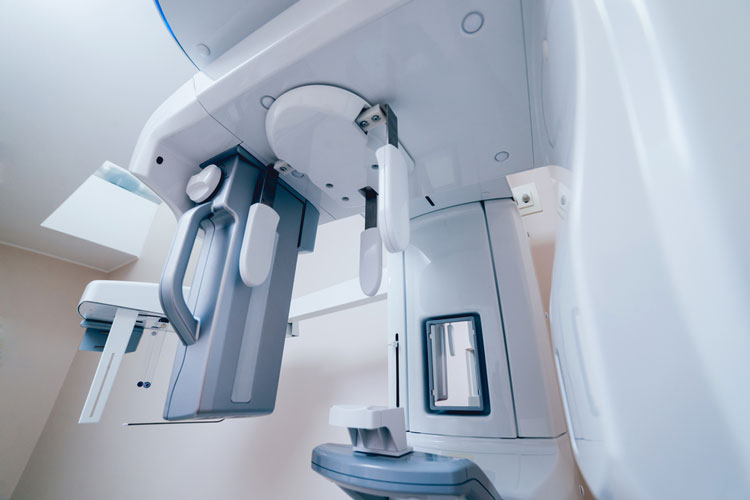
X-ray Room Hospital Er Operating Room Stock Photo 602279930 ...
Modern digital X-ray systems in hospital radiology departments showcase advanced ceiling-mounted designs for efficient workflows.
Key Factors That Affect Hospital X-Ray Machine Pricing
Buyers navigate multiple elements when assessing hospital X-ray machine costs. First, system type plays a central role; fixed installations suit high-volume environments, while portable units provide flexibility for bedside imaging. Therefore, procurement teams match configurations to daily patient loads and department layouts.
Additionally, factors that affect hospital X-ray machine pricing include detector technology and generator power. Advanced flat-panel detectors enable faster image capture and superior resolution, ideal for complex diagnostics. However, basic setups meet essential needs in smaller facilities. On the other hand, integration with PACS systems streamlines data management, enhancing overall efficiency.
Furthermore, regulatory compliance and radiation safety features influence selections. Hospitals demand equipment meeting international standards for dose optimization. Consequently, these attributes contribute to varying hospital X-ray machine cost structures across suppliers. Other influences include brand reputation, AI enhancements, and whether the system is new or refurbished.
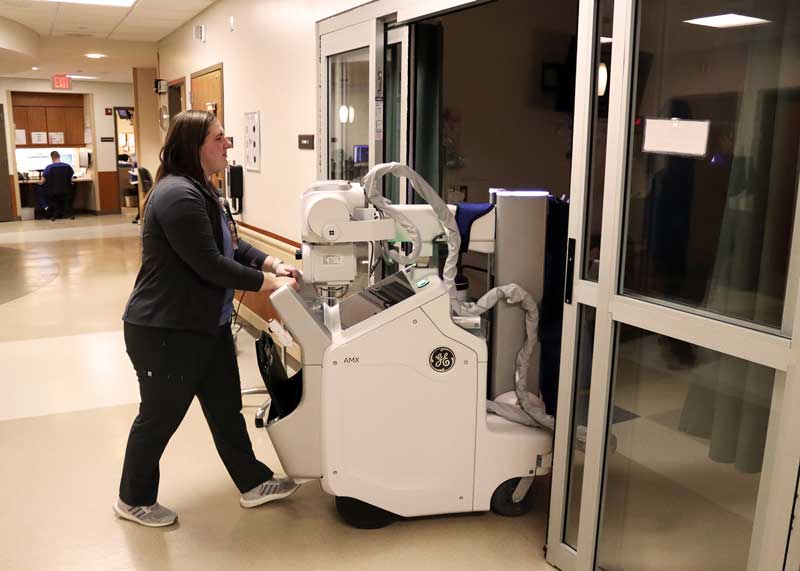
New Portable X-Ray Produces Higher Quality Images and Enhances ...
Portable X-ray units enable bedside imaging, offering mobility for critical care and remote applications.
Types of Hospital X-Ray Machines and Their Cost Implications
Facilities choose from diverse digital radiography system options to align with clinical demands. Procurement experts compare fixed, mobile, and hybrid models meticulously.
Fixed Digital Systems: High-Throughput Solutions
Radiology departments favor fixed hospital digital X-ray machine configurations for routine examinations. These ceiling- or floor-mounted units incorporate motorized components for precise positioning. For instance, high-capacity generators support continuous operations in busy hospitals.
Moreover, wireless detectors facilitate multi-room sharing. Therefore, large institutions invest in these robust setups to handle diverse caseloads efficiently. Fixed digital systems typically represent higher-end investments due to their comprehensive capabilities.
Portable and Mobile Units: Versatility in Care Delivery
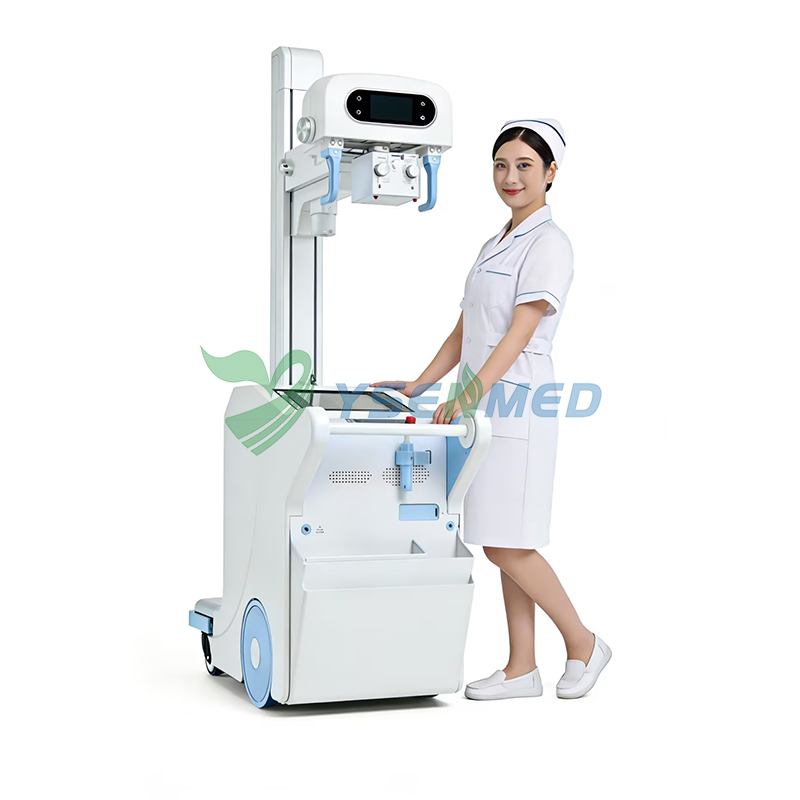
Emergency and ICU teams rely on portable variants for on-demand imaging. These compact options feature battery-powered operation and lightweight designs. Nurses appreciate quick setups that minimize patient movement risks.
Additionally, digital portability reduces retakes through immediate previews. However, buyers balance mobility with image quality requirements. As a result, hybrid fleets combine fixed and portable systems optimally, providing flexibility across departments.
Retrofit vs. New Installations
Many hospitals upgrade existing analog rooms with digital detectors to extend infrastructure life. This approach offers cost-effective transitions compared to full replacements. On balance, new installations include the latest software and comprehensive warranties, supporting long-term reliability.
Hospital X-Ray Machine Cost Breakdown for Buyers
Administrators develop realistic budgets by examining the hospital X-ray machine cost breakdown for buyers. Initial acquisition forms the foundation, but additional elements complete the picture.
First, installation encompasses site preparation, shielding upgrades, and calibration. Facilities often require electrical modifications and structural assessments. Moreover, professional setup ensures compliance and optimal performance from day one.
Furthermore, training programs equip staff with operational proficiency. Suppliers bundle sessions on software navigation and safety protocols. Therefore, these investments prevent errors and maximize utilization.
Ongoing maintenance contracts provide peace of mind through preventive servicing. Energy-efficient models reduce utility demands over time. However, comprehensive coverage addresses unexpected repairs promptly. Consequently, total ownership considerations guide sustainable budgeting.
X-Ray Equipment Calibration and Testing | Custom X-Ray Digital
Professional installation and calibration ensure safe, accurate deployment of hospital X-ray systems.
| Cost Component |
Key Influences |
Buyer Considerations |
Typical Impact |
| System Acquisition |
Type (fixed/portable), technology level |
New vs. retrofit, features needed |
Primary factor |
| Installation & Preparation |
Room shielding, power upgrades |
Site assessment required |
Significant addition |
| Training & Integration |
Staff sessions, PACS compatibility |
On-site or remote options |
Enhances adoption |
| Maintenance & Service |
Warranty length, response time |
Annual contracts available |
Long-term reliability |
| Operational Elements |
Energy use, consumables |
Digital efficiency gains |
Ongoing savings potential |
This table outlines a hospital X-ray machine cost breakdown for buyers, highlighting areas for strategic planning. As a result, procurement achieves balanced investments.
Trends Influencing Hospital X-Ray Equipment Pricing in 2025
The market evolves with emphasis on digital transitions and AI enhancements. Facilities shift toward systems reflecting dose reduction and workflow automation. Additionally, portable demand grows for point-of-care applications.
Moreover, suppliers like Ysenmed incorporate user-friendly interfaces and durable components. Therefore, buyers access solutions that adapt to expanding needs. On the other hand, refurbished certified units offer viable alternatives for budget-conscious settings, often providing substantial savings while maintaining quality standards.
Strategies to Optimize Your Hospital X-Ray Machine Budget
Procurement leaders implement tactics for value maximization. First, conduct thorough needs assessments to avoid over-specification. Additionally, request demonstrations to evaluate real-world performance.
However, negotiate bundled services including installation and training. Explore financing options that align with cash flow. Consequently, facilities secure comprehensive packages.
Ysenmed supports this process with expert consultations and reliable medical X-ray equipment. Their portfolio addresses varied hospital requirements effectively, focusing on durability and ease of use.
Conclusion
Navigating hospital X-ray machine costs requires informed insight into types, features, and hidden elements. By focusing on total value and partnering with trusted suppliers like Ysenmed, hospitals enhance diagnostic capabilities sustainably. Contact Ysenmed today to discuss tailored options for your facility.
FAQ
Hospital X-ray machine costs in 2025 vary by type and features, with digital systems offering advanced capabilities for modern diagnostics.
What factors affect hospital X-ray machine pricing?
Key factors that affect hospital X-ray machine pricing include technology level, portability, and integration needs, influencing overall suitability.
What is the average cost of a digital hospital X-ray machine?
The average cost of a digital hospital X-ray machine reflects trends toward efficiency and dose reduction in contemporary healthcare settings.
What does a hospital X-ray machine cost breakdown for buyers include?
A hospital X-ray machine cost breakdown for buyers covers acquisition, installation, training, and maintenance for comprehensive planning.
How to budget for a hospital X-ray machine purchase?
To budget for a hospital X-ray machine purchase, evaluate total ownership elements and prioritize long-term value in healthcare equipment procurement.